Songkran activity in Singapore centers on three main draws: Wild Wild Wet at Downtown East, Waterbomb Singapore at Siloso Beach, and community celebrations hosted by the Royal Thai Embassy. Most programming runs between March and mid-April, building toward the traditional Songkran window of April 13 to 15.
Pick your venue by mood, not just proximity:
- Wild Wild Wet, Downtown East — best for families and mixed groups wanting water zones plus cultural shows.
- Waterbomb Singapore, Siloso Beach — best for groups of friends chasing a music-first party.
- Royal Thai Embassy events — best for anyone who wants the actual blessing rituals, not just a splash fight.
Confirm exact dates on each organizer’s own page or the embassy’s announcement before you book anything.
Key Takeaways
Songkran events in Singapore run mainly between March and mid-April, with distinct venues serving families, party crowds, and culture seekers differently.
| Point | Details |
|---|---|
| Traditional dates | Songkran falls on April 13 to 15 in Thailand’s calendar, though Singapore events often run earlier or longer. |
| Best for families | Wild Wild Wet at Downtown East offers water zones, cultural shows, and night parties across a month-long activation. |
| Best for parties | Waterbomb Singapore at Siloso Beach is a music-first festival with its own age rules and ticketing process. |
| Best for culture | Royal Thai Embassy community events include the actual blessing rituals and expanded family zones. |
| Deepen the experience | Learning basic Thai phrases and etiquette through a course like Com’s adult classes adds real context to festival rituals. |
Table of Contents
- When Does Songkran Happen in Singapore?
- Where to Celebrate Songkran in Singapore
- What Activities Can You Expect at Songkran Events?
- How Do You Prepare for a Water-Heavy Festival Day?
- Where to Eat Around Songkran Events in Singapore
- How Do You Plan Tickets and Logistics?
- How Does Learning Thai Deepen Your Songkran Experience?
- Are There Health and Safety Rules to Know Before You Go?
- What Environmental Rules Apply to Water Usage at These Events?
- Which Songkran Event Actually Fits Your Group?
- Want More From Songkran Than Just the Splash Zone?
- Sources
- FAQ
When Does Songkran Happen in Singapore?
Thailand’s calendar sets the anchor: April 13 to 15, marking the traditional Thai New Year, when water is poured over Buddha images and elders as a gesture of renewal. Singapore venues don’t always mirror that tight window. Wild Wild Wet has run Songkran programming as an extended activation during March and April (https://www.wildwildwet.com/visitor-information/blogs/blog/2025/04/09/songkran-festival-in-singapore-beginners-guide-and-tips) rather than a single weekend, while Waterbomb Singapore tends to book one concentrated weekend built around its music lineup.
That mismatch matters for planning:
- Check whether the event you want is a single-day festival or a running activation before buying tickets.
- Ticket categories at water parks often split into day passes, twilight or night passes, and add-on zones.
- Buy early for weekend dates. Passes at high-demand venues can sell out days ahead of a peak Saturday.
- Treat the Royal Thai Embassy’s announcement and each venue’s own press page as the final word. Third-party event listings drift out of date fast.
Where to Celebrate Songkran in Singapore
Singapore’s Songkran scene splits cleanly into four types of experience, and picking the wrong one for your group is the easiest way to end up disappointed.
- Wild Wild Wet / Downtown East. This is the anchor family event. Expect inflatable water mazes, dunk tanks, night parties, and cultural performances layered across the park’s usual slides and pools. NTUC Club has staged Downtown East activations with opening ceremonies, Muay Thai demonstrations, and Thai dance performances, often tied to spend-threshold promotions for merchandise. Nearest access is Pasir Ris MRT, with a short bus or walk into the Downtown East complex. Best for families and groups wanting a full day, not just an hour of splashing.
- Waterbomb Singapore, Siloso Beach. This is a music festival that happens to involve water, not the reverse. It runs on a single concentrated weekend at Siloso Beach on Sentosa, with DJ sets, team-based water battles, and its own age policies and water-gun rules that differ from a family water park. Tickets go through the official Waterbomb channels, and this one skews toward adults and young-adult groups rather than kids.
- Royal Thai Embassy family splash and community events. The embassy’s 2026 event, reported for March 29, included expanded activity zones and cultural programming alongside the community celebration. This is where you find the ritual side of Songkran, the parts that get lost in a waterpark queue.
- Rooftop and club Songkran parties. One-off nightlife events pop up around the same window, usually listed through organizer platforms like Eventbrite. These skew adults-only, run later into the evening, and rarely include the cultural elements found at embassy or park events.
Embassy and community events reward you with the traditional rituals, while parks and beach festivals reward you with entertainment. Most people are better served choosing one flavor per visit rather than trying to do both in a single day.
What Activities Can You Expect at Songkran Events?
The water fight is the headline, but it’s rarely the whole show. Most Singapore Songkran events layer in cultural and entertainment programming around the splash zones.
- Water fight formats: inflatable mazes, dunk tanks, designated water blaster zones, and refill stations so you’re not stuck queuing every ten minutes.
- Cultural programming: traditional Thai dance performances, blessing rituals modeled on the Wai Khru tradition, and Muay Thai demonstrations that draw a crowd even from non-participants.
- Evening features: outdoor movie screenings, DJ sets, and pop-up night markets once the water games wind down.
- Extras: photo backdrops, limited-edition festival merchandise, and food stalls selling Thai street snacks.
Organizers consistently blend traditional heritage elements with high-energy entertainment to suit a mixed local audience, which is why a single Wild Wild Wet visit can feel like two different events stitched together.
Pro Tip: If you want both the ritual and the party, go to an embassy or community event in the daytime and a park or beach event in the evening. Trying to fit both into one venue usually means missing half the programming.
How Do You Prepare for a Water-Heavy Festival Day?
Getting soaked is the point, but getting hurt or losing your phone isn’t. A little prep goes a long way.
- Pack a waterproof phone pouch, quick-dry clothing, non-slip sandals, a spare outfit, a towel, and a reusable water bottle.
- Wear footwear with real grip. Wet tile and pool decks are the top cause of minor injuries at these events.
- Follow park staff instructions on water blaster zones and age limits. Most venues post first aid points and locker locations near the main entrance.
- Time your arrival around off-peak hours. Queues for lockers and water zones spike hardest in the two hours after opening on weekends.
Preparation isn’t just comfort. Organizer guidance consistently flags that waterproofing valuables and choosing proper footwear meaningfully cuts down on both lost belongings and slip injuries. If you’re bringing kids or anyone with mobility needs, call ahead to confirm accessible pathways and quieter viewing areas away from the main splash zones.
Where to Eat Around Songkran Events in Singapore
A full day of water fights builds an appetite, and pairing your event with a proper Thai meal rounds out the experience. Local dining guides point to spots like Bangkok Jam at Great World as a natural stop before or after a festival visit, with dishes like tom yum, pad kra pao, and mango sticky rice fitting the mood of the day.
- Book a table before the event if you’re going on a weekend. Post-festival dinner rushes are real, especially near Downtown East and Sentosa.
- Time your meal around the schedule. A late lunch between the daytime water sessions and the evening cultural show avoids the worst crowds.
- Watch for festival pop-up stalls and cultural food booths on-site. Some events run their own Thai snack vendors alongside the main programming.
How Do You Plan Tickets and Logistics?
Getting tickets sorted early saves you from showing up to a sold-out weekend.
- Buy weekend and peak-day tickets as soon as they release. Day passes and VIP add-ons at water parks and beach festivals tend to move fast once dates are confirmed.
- Check each organizer’s own page for release dates and refund policies before you commit.
- If you’re traveling from outside the immediate area or staying late for an evening program, look at accommodation near Pasir Ris for Downtown East events or near HarbourFront for Sentosa-based festivals like Waterbomb.
- Cross-check the Royal Thai Embassy’s page if you’re specifically after the community and cultural events rather than the water parks.
How Does Learning Thai Deepen Your Songkran Experience?
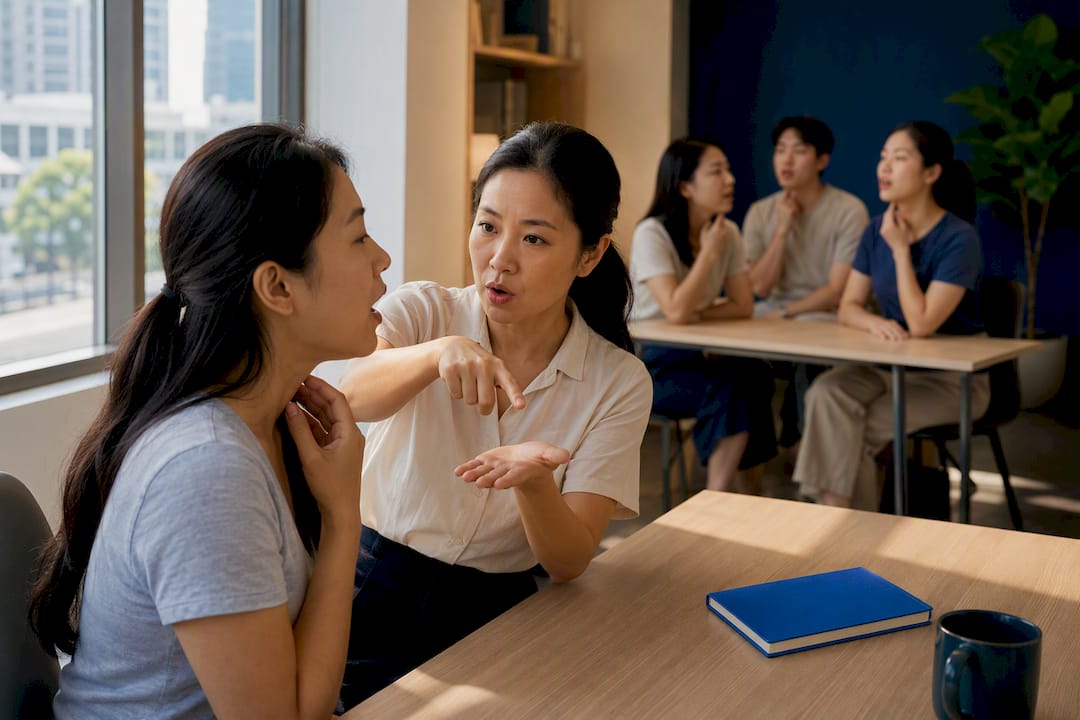
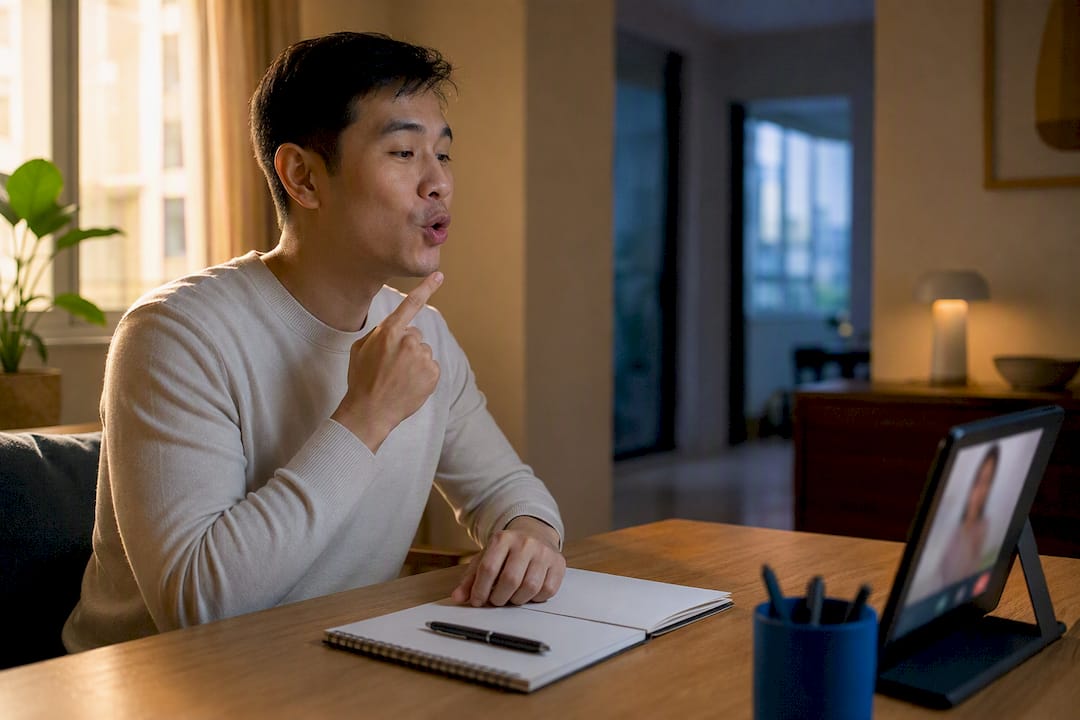
Knowing a handful of Thai phrases changes how you experience Songkran, especially at the embassy’s cultural events where rituals carry real meaning. A simple “sawasdee” as a greeting, “khor phorn” when asking for a blessing, or a polite “khor rад nam noi dai mai” before splashing someone turns a language barrier into a shared moment.
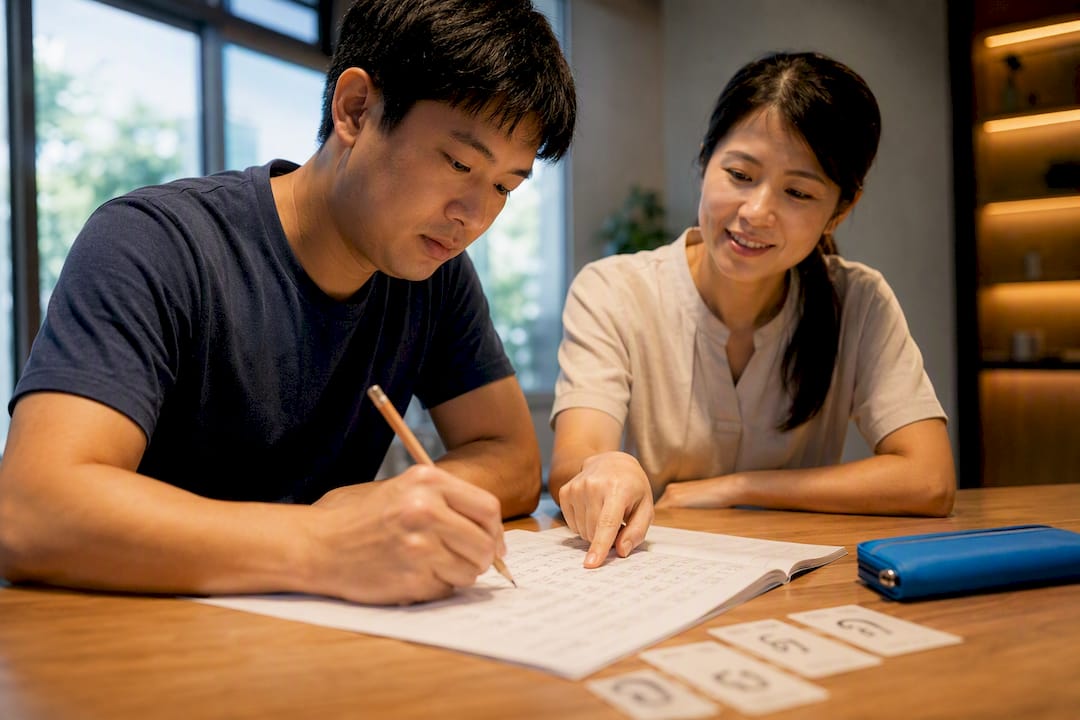
- Native Thai instructors bring the etiquette and phrasing that textbooks skip.
- Curriculum aligned with CU-TFL standards means the phrases you learn map to how Thai is actually structured and used.
- A short cultural immersion session before April can turn a festival visit into something closer to genuine cultural exchange.
Understanding even basic greetings and polite requests changes how locals and embassy staff engage with you at Songkran events. It’s the difference between watching a ritual and participating in it.
Are There Health and Safety Rules to Know Before You Go?
Singapore’s major event venues, including Wild Wild Wet and Sentosa’s beach festivals, operate under the same general public health and venue safety standards that apply to all large gatherings in the country. Requirements around capacity, hygiene, and crowd management have eased significantly since the peak pandemic years, and most Songkran events in 2026 run without the mask mandates or distancing markers seen in earlier editions.
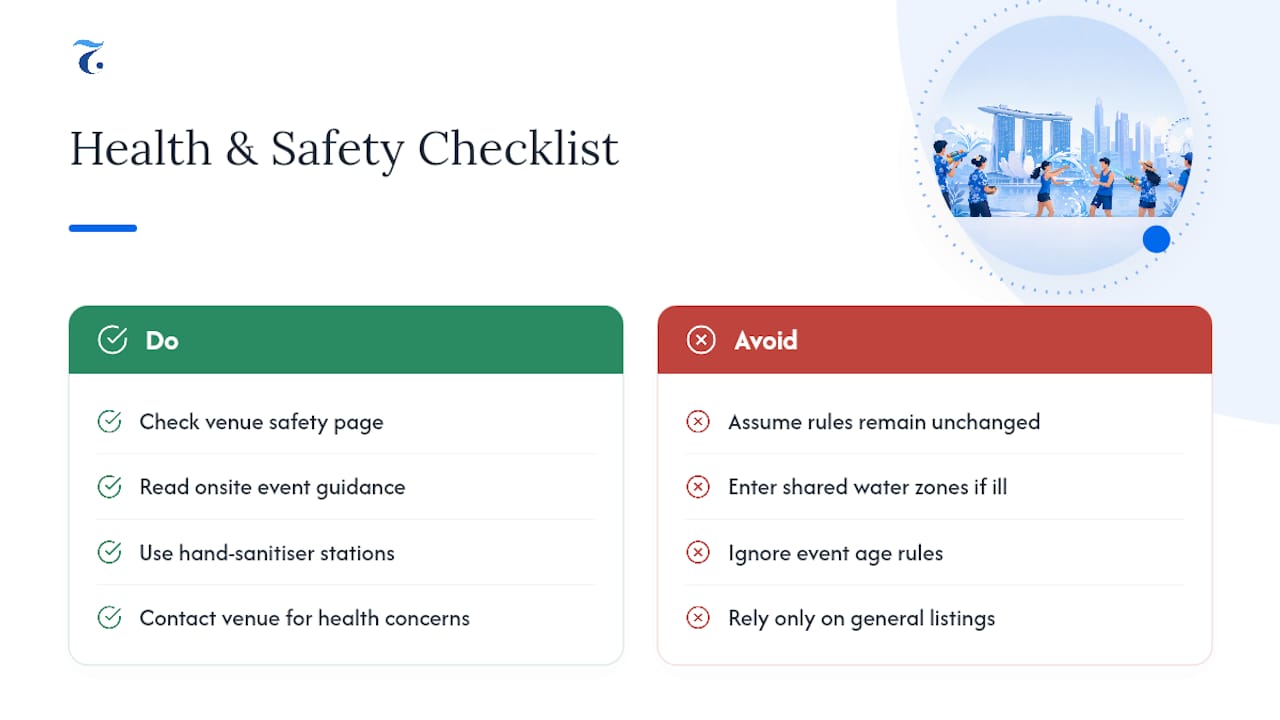
That said, venues still post their own onsite guidance, and it’s worth reading it rather than assuming nothing has changed. Water parks and beach festivals typically maintain hand sanitizing stations near food areas and locker zones, and staff may still ask attendees showing visible illness symptoms to avoid close-contact zones like dunk tanks or shared water blaster stations.
Age restrictions are a separate matter from health protocols and deserve equal attention. Waterbomb Singapore enforces its own age policies given its adult-skewing, music-festival format, while Wild Wild Wet’s family programming welcomes all ages but still requires supervision for younger children in deeper pool zones.
Before attending, check each venue’s own safety page rather than relying on general event listings. Rules can shift between events even within the same season, and the organizer’s site is always the most current source. If you have specific health concerns, contacting the venue directly ahead of your visit is a better bet than guessing from last year’s policy.
What Environmental Rules Apply to Water Usage at These Events?
Singapore’s Songkran events run on a fundamentally different model than Thailand’s street celebrations, and water usage is one of the clearest examples. Where Bangkok’s Songkran spills across open roads with buckets and hoses running freely, Singapore’s version is venue-contained and curated, with water recirculated through park systems rather than drawn fresh and discarded.
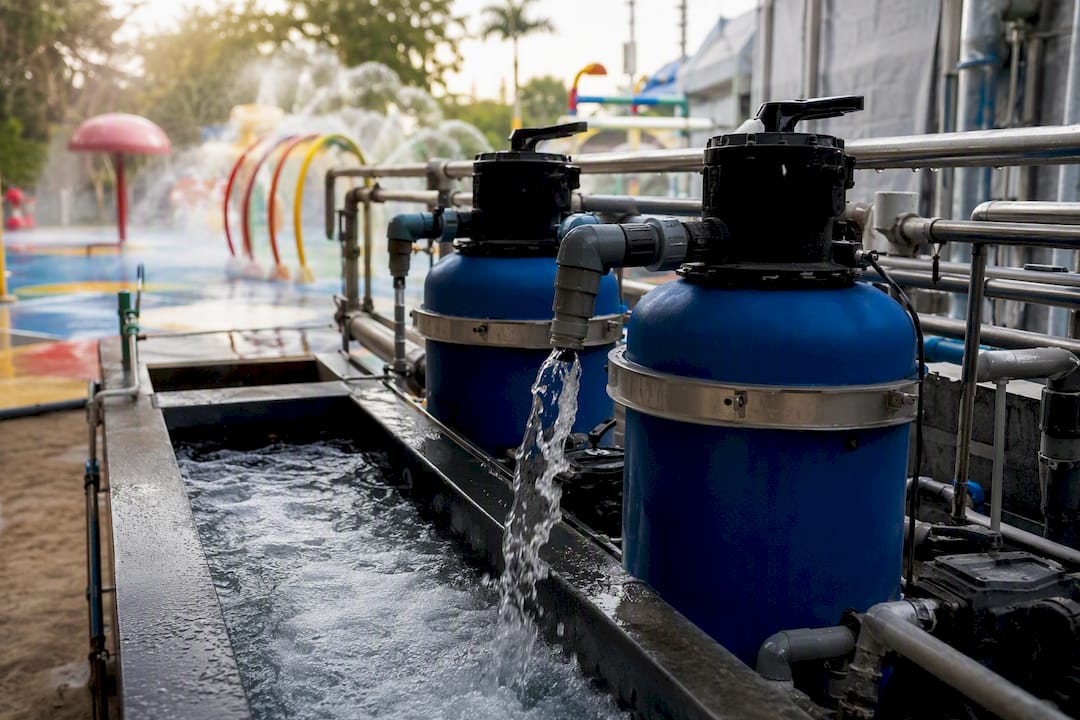
Wild Wild Wet, as an operating water park, already runs standard filtration and recirculation systems for its pools and play zones year-round, so Songkran programming layers onto existing infrastructure rather than creating new water demand. Waterbomb Singapore, held on a beach rather than a park, relies on contained water cannons and designated splash zones rather than open hose access, which limits runoff into surrounding areas.
None of the major organizers have published detailed public water-consumption figures for their Songkran programming, so treat any specific volume claim you see elsewhere with some skepticism. What’s consistent across venue guidance is an emphasis on designated splash zones and staff-managed water stations rather than free-for-all spraying, a structural choice that keeps both water use and mess more contained than an open-street celebration would allow. If sustainability specifics matter to you, the venue’s own event page is the place to ask directly, since this level of detail rarely makes it into general festival previews.
Which Songkran Event Actually Fits Your Group?
Families do best starting at Wild Wild Wet in the daytime and catching an embassy event if the dates line up. Friend groups chasing a party atmosphere should skip straight to Waterbomb and treat the water as a bonus to the music, not the main event. Anyone drawn to the cultural weight of the holiday should prioritize the embassy’s community celebration over anything else on this list. Whichever you choose, pace the day: alternate an hour of active splashing with a meal or a cultural show, because trying to do six hours of nonstop water fights usually ends in exhaustion, not fun.
Want More From Songkran Than Just the Splash Zone?
Watching a Wai Khru blessing or chatting with a Thai vendor at a festival stall hits differently when you understand a few words of what’s actually being said. Com teaches adult conversational Thai in Singapore with native instructors, and unlike trying to piece phrases together from festival guides, you get structured lessons built around real cultural context, not just vocabulary lists.
Classes run in-person at 10 Anson Road, #22-07, International Plaza, right above Tanjong Pagar MRT, plus online over Zoom for anyone who’d rather learn on their own schedule. Whether you want conversational basics before Songkran season or a deeper cultural immersion track afterward, the Thai course page is the place to see current class options and get started before next year’s festival season rolls around.
Sources
- Songkran — EBSCO Research Starters (Songkran, Thailand)
- Songkran Festival Celebration in Singapore: Guide & Tips For Beginners — Wild Wild Wet
- Songkran Festival 2026: The Ultimate Family Splash — Royal Thai Embassy, Singapore
- Waterbomb Singapore guide — Pelago
- Splashier than ever: The return of Songkran Festival 2025 — NTUC Club (Downtown East)
FAQ
What Date Is Songkran in 2026?
Traditional Songkran falls on April 13 to 15, though Singapore venues often schedule related events earlier, including the Royal Thai Embassy’s family splash reported for March 29.
What Does Songkran Festival Celebrate?
Songkran marks the Thai New Year, symbolizing renewal through water poured over Buddha images and elders as a gesture of respect and cleansing.
Where Will the Thailand Water Festival Be Held in Singapore in 2026?
Major venues include Wild Wild Wet at Downtown East, Waterbomb Singapore at Siloso Beach on Sentosa, and community events hosted by the Royal Thai Embassy.
What Festival Is Happening in Singapore in 2026?
Songkran celebrations run across several Singapore venues between March and mid-April, ranging from family water park programming to music-focused beach festivals and embassy cultural events.
Can I Learn Thai Before Attending a Songkran Event?
Yes. Com offers adult conversational Thai courses in Singapore, both in-person and online, that cover greetings and etiquette useful for interacting at cultural festival events.