
Thai culture and etiquette shape how people speak, greet, eat, and show respect in everyday life. Misunderstanding these norms often leads to awkward moments rather than serious mistakes. This blog will walk you through how Thai etiquette works in real situations, why respect matters so deeply, and how visitors and learners should behave with confidence.
Why Thai culture places such a strong emphasis on respect

Thai society is built around harmony, hierarchy, and emotional restraint. These values influence daily interactions more than written rules ever could.
At the centre of Thai cultural norms is the concept of kreng jai, an unspoken awareness of not causing inconvenience or discomfort to others. This affects how people speak, refuse requests, or express disagreement. Direct confrontation is avoided whenever possible. The social role of kreng jai in everyday behaviour is outlined in cultural guidance published by the Thai Ministry of Culture on social values and conduct, which explains how consideration for others underpins Thai interpersonal norms.
Respect in Thailand is shown through behaviour rather than words. Tone, posture, and timing matter as much as what is said.
Understanding this context helps foreigners interpret Thai manners accurately instead of judging them through Western social frameworks.
The wai greeting and how it signals social awareness

What the wai greeting means
The wai is the most recognisable gesture in Thai etiquette. It involves pressing the palms together and bowing slightly. The height of the hands and depth of the bow reflect the relationship between people.
A higher wai shows respect to elders, monks, or teachers. A lower wai is used among peers.
The wai is not a casual hello. It is a visible signal of social awareness and humility. Returning a wai correctly matters more than initiating one.
When foreigners should use the wai
Foreigners are not expected to wai everyone. Overusing it can feel unnatural. It is appropriate when greeting elders, instructors, or in formal settings.
In service situations such as shops or restaurants, a polite nod or smile is enough. Understanding when not to wai is part of good Thai etiquette for foreigners.
Shoes, space, and physical behaviour in Thailand
Removing shoes is about respect, not cleanliness
Removing shoes in Thailand signals respect for shared and sacred spaces. Homes, temples, and some shops require shoes to be left outside.
This practice reflects Thai hospitality customs and a clear boundary between public and private spaces. Cultural explanations of footwear etiquette appear in official visitor guidance from the Tourism Authority of Thailand on temple and home etiquette, which links shoe removal to respect rather than hygiene.
If shoes are left neatly outside, it signals attentiveness. Carelessness is often noticed even if not mentioned.
Body language that matters more than words
Certain physical actions carry strong cultural meaning in Thailand.
Pointing feet at people or religious objects is considered disrespectful. Touching someone’s head, even a child’s, is inappropriate because the head is viewed as the most respected part of the body.
These rules are rarely explained directly, but they are consistently observed.
Thai dining etiquette in everyday situations
Thai dining etiquette focuses on sharing and moderation rather than formality.
Meals are usually communal. Dishes are placed in the centre, and everyone takes small portions. Finishing every grain of rice is not expected, but wasting food is frowned upon.
Spoons are the primary utensil, not forks. Forks push food onto the spoon. Chopsticks are used mainly for noodles.
Waiting for elders to begin eating shows awareness of Thai social etiquette without needing explanation.
Thai gift giving etiquette and social awareness
Gift giving in Thailand is subtle and symbolic. The value of a gift matters less than the intention and presentation.
When visiting a Thai home, small gifts such as fruit or snacks are appropriate. Gifts are usually received politely and opened later, not immediately.
Avoid wrapping gifts in black or dark colours, which are associated with mourning. These details reflect Thai cultural rules that are rarely verbalised but widely understood.
Respect, hierarchy, and communication style
How hierarchy shapes Thai manners
Thai society observes clear age and status hierarchies. Teachers, elders, and monks are shown visible respect.
Interrupting elders, raising one’s voice, or showing impatience disrupts social harmony. Silence often communicates disagreement more effectively than words.
This hierarchical awareness explains why indirect communication is common.
Why saving face matters
Causing embarrassment publicly is considered harmful. Thai etiquette prioritises saving face for all parties involved.
Corrections are often indirect. Feedback may be delayed or softened. Understanding this helps foreigners avoid misreading politeness as avoidance.
Thai etiquette in professional and learning environments
In classrooms and workplaces, respect is shown through punctuality, listening posture, and restrained speech.
Students greet teachers respectfully. Questions are asked politely and often after class. Speaking over others is discouraged.
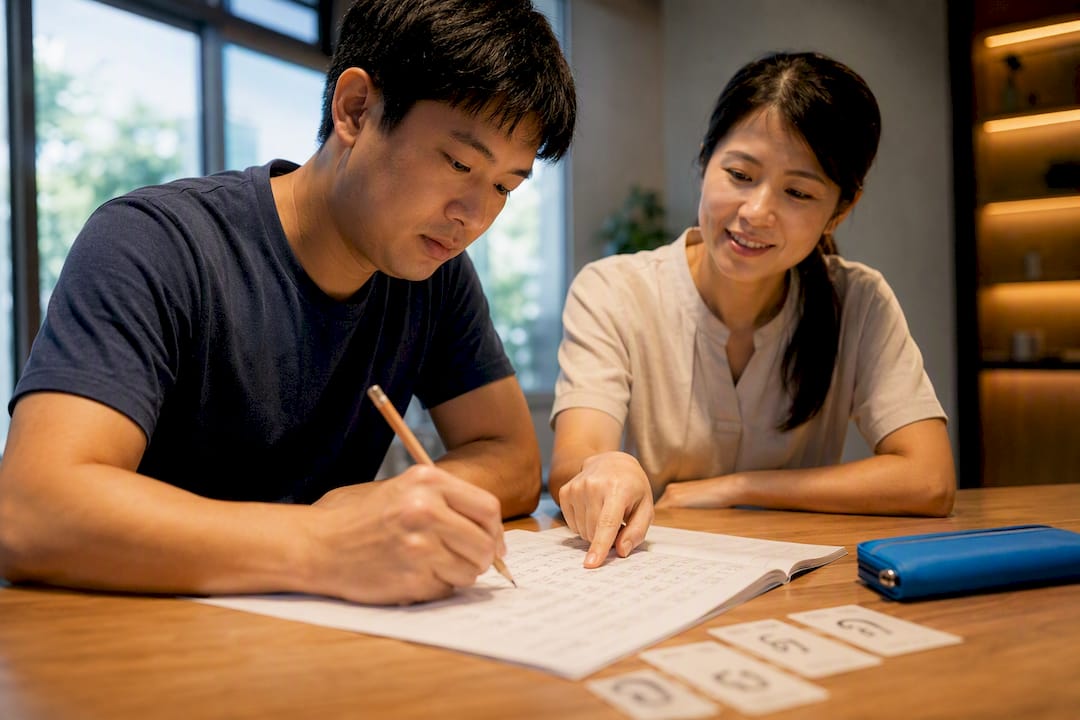
These behaviours align closely with Thai respect culture and are reinforced in structured learning environments, where cultural awareness is taught alongside language skills.
Why understanding Thai culture improves language learning
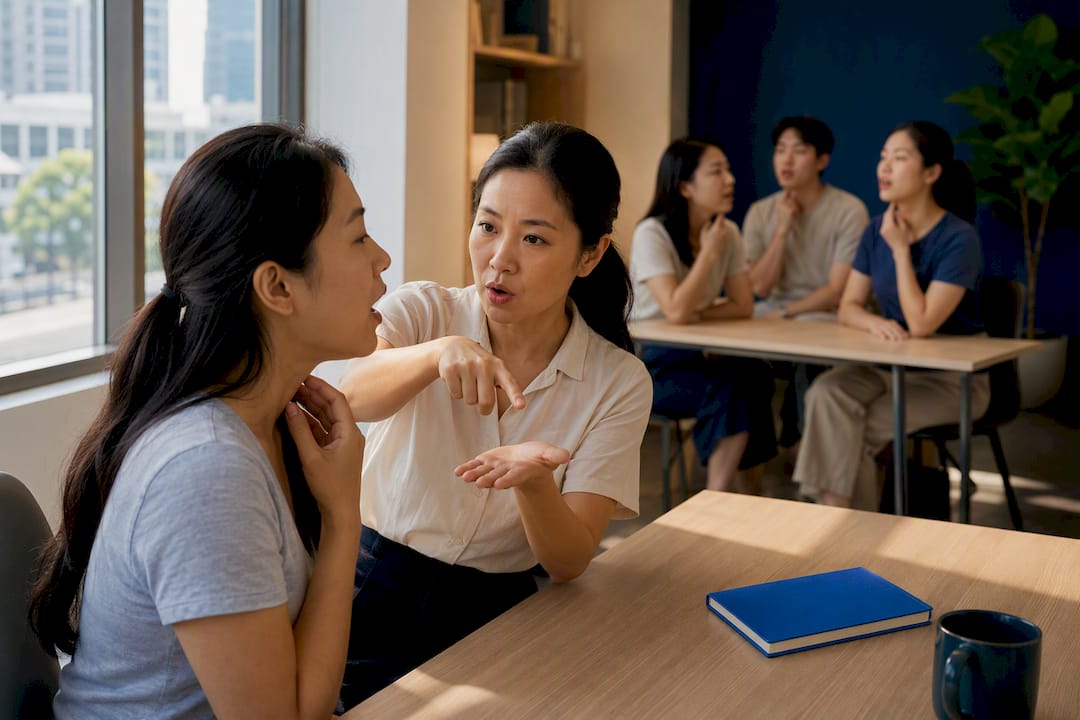
Language and etiquette are inseparable in Thai communication. Words change depending on age, status, and formality.
Learners who understand etiquette grasp why certain particles, honorifics, and polite endings are used. Without cultural context, spoken Thai can sound abrupt or inappropriate.
This connection becomes clearer when learners understand expectations around patience, politeness, and social distance. It also explains why learning timelines vary, as outlined in how long it typically takes to learn Thai depending on exposure to cultural norms.
Common etiquette mistakes foreigners make in Thailand
Many mistakes are unintentional but avoidable.
Speaking too directly, refusing offers bluntly, or showing visible frustration often creates discomfort. These actions conflict with Thai cultural norms that value calm and emotional control.
Another common issue is over-apologising or overusing the wai. Balance matters more than perfection.
Awareness, not fluency, defines respectful behaviour in Thailand.
How Thai hospitality customs shape daily interactions
Thai hospitality is warm but measured. Hosts ensure guests are comfortable without excessive conversation.
Guests are not expected to entertain or assert preferences strongly. Accepting what is offered politely is considered respectful.
This approach reflects Thailand’s collective values and preference for smooth social flow.
Conclusion
Thai culture and etiquette are rooted in respect, awareness, and restraint. Understanding these principles helps visitors and learners move through Thai society comfortably, without anxiety or misunderstanding.
If you want to engage with Thai people more naturally, learning the cultural logic behind behaviour makes every interaction smoother.
Build cultural and language confidence step by step with Thai Explorer, where etiquette and communication are taught together.
Frequently Asked Questions
What is the most important rule in Thai etiquette?
Respect for others, especially elders and authority figures, is central to Thai culture. This is shown through tone, posture, and timing rather than direct statements.
Should foreigners always use the wai?
No. The wai greeting is situational. Foreigners should return a wai politely but avoid overusing it in casual or service settings.
Is it rude to say no in Thailand?
Direct refusal can feel uncomfortable. Softening refusals or giving indirect responses aligns better with Thai social etiquette.
Why must shoes be removed in Thai homes?
Removing shoes shows respect for private and sacred spaces. It reflects Thai hospitality customs and awareness of boundaries.
Does etiquette matter when learning Thai?
Yes. Thai language relies heavily on politeness levels and context. Understanding etiquette improves communication accuracy and confidence.