TL;DR:
- Learning Thai helps expats build genuine connections through practical language skills and cultural awareness.
- Using the Paiboon romanization system improves pronunciation and reinforces correct tone and vowel length.
- Respect for Thai customs, like temple dress codes and respectful greetings, is essential for social integration.
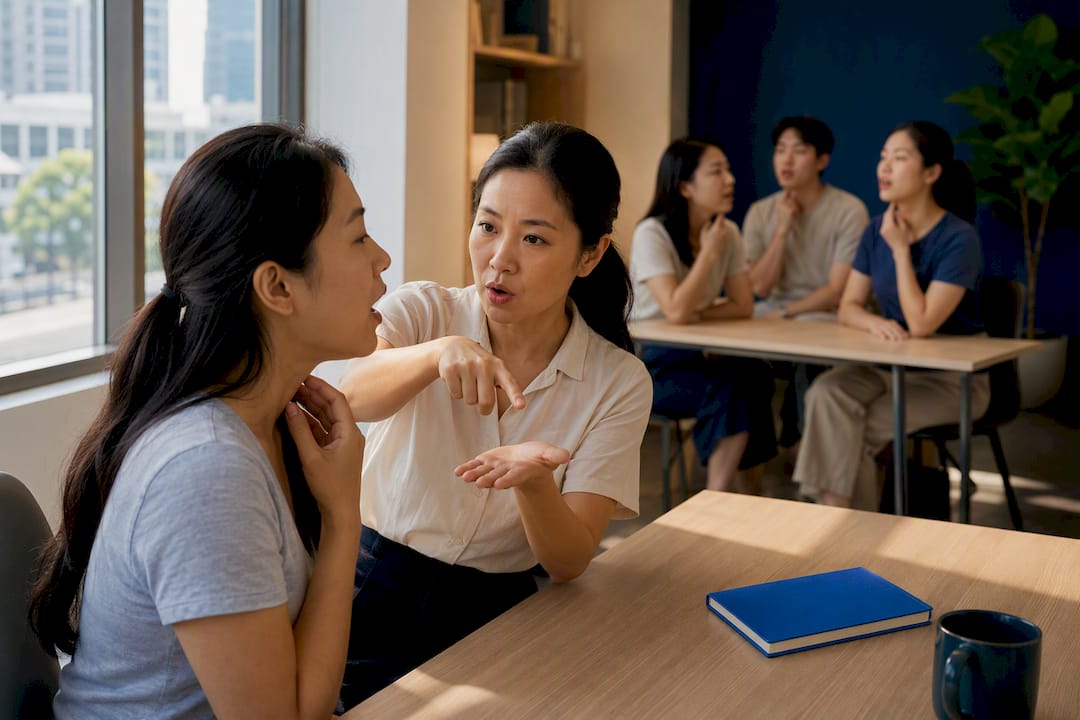
Learning Thai is the single most effective step an expat can take to build real connections in Thailand. This guide to Thai for expats covers the two pillars that matter most: practical language skills and cultural awareness. Thai is a tonal language with five distinct tones, meaning the same syllable can carry five different meanings depending on how you say it. Pair that with social customs that differ sharply from Western norms, and the learning curve is real. The good news is that even basic Thai phrases and a working knowledge of local etiquette will open doors that English simply cannot.
What are the key Thai romanization systems expats should use?
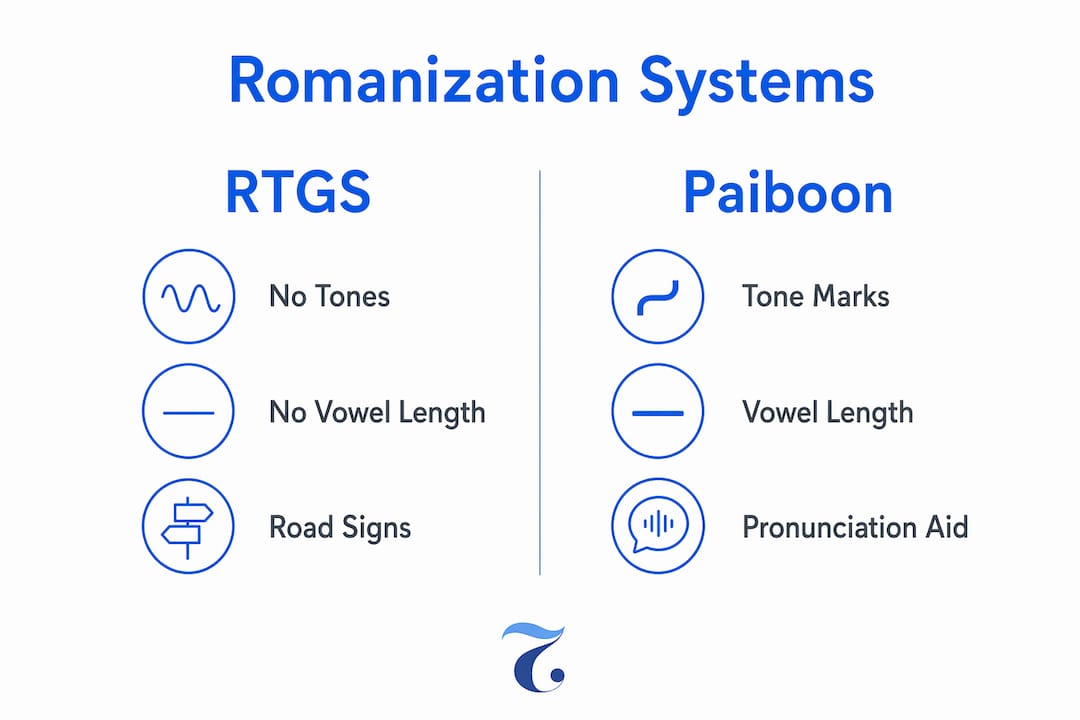
Thai romanization is the practice of writing Thai sounds using the Roman alphabet, and choosing the right system is the first decision every learner faces. Three systems dominate: RTGS (Royal Thai General System of Transcription), Paiboon, and IPA (International Phonetic Alphabet).
RTGS is the official system used on road signs, maps, and government documents. The critical limitation is that RTGS does not mark tones or vowel length. For a language where tone determines meaning, that omission makes RTGS unreliable as a pronunciation guide.
Paiboon-style transcription marks both tones and vowel length using superscript numbers and doubled vowels. It was designed for practical learners who do not have a background in linguistics. IPA is the most precise system but requires significant study before it becomes useful.
| System | Marks Tones | Marks Vowel Length | Best Use |
|---|---|---|---|
| RTGS | No | No | Road signs, maps, navigation |
| Paiboon | Yes | Yes | Pronunciation learning, speaking practice |
| IPA | Yes | Yes | Academic study, linguistic reference |
Pro Tip: Treat RTGS as a wayfinding tool only. Use it to read street signs and recognize place names. Switch to Paiboon or another tone-marked system the moment you want to speak correctly.
Consistent use of one tone-marked system builds muscle memory and improves speaking accuracy over time. Switching between systems mid-study creates conflicting mental models that slow progress. Pick Paiboon and commit to it.
What are the essential Thai cultural etiquette rules for expats?
Thai culture places a high value on respect, hierarchy, and social harmony. Expats who understand these values avoid awkward situations and earn genuine goodwill from Thai colleagues and neighbors. This is the core of any solid thai culture immersion guide.
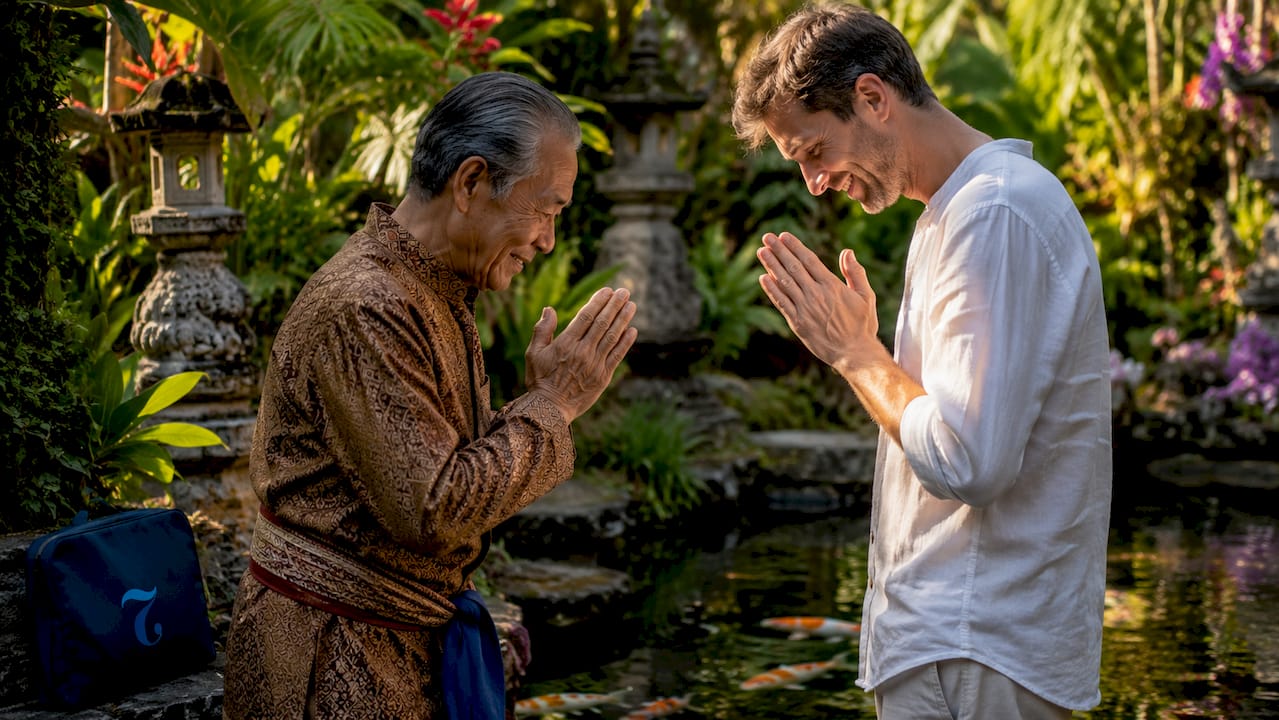
Temple visits: dress code and behavior
Temples require covered shoulders and knees for both men and women. Security staff at major temples like Wat Phra Kaew in Bangkok will refuse entry if you arrive in shorts and a tank top. The fix is simple: carry a packable scarf or sarong in your bag at all times.
Temple visit checklist:
- Cover shoulders and knees before entering any temple compound
- Remove shoes at the entrance, always
- Speak quietly and avoid pointing feet toward Buddha images or monks
- Women must not hand objects directly to monks or touch them
- Do not climb on statues or sit with your back to a Buddha image
- Switch your phone to silent and avoid flash photography during ceremonies
Pro Tip: A lightweight sarong weighs almost nothing and fits in any bag. Buy one at a local market for under 100 baht and keep it with you permanently.
Social customs that matter daily
Disrespecting the Thai royal family is a criminal offense under Thailand’s lese-majeste law. This applies to comments made online as well as in person. Expats need to understand this is not a cultural preference but a legal reality.
The wai greeting (pressing palms together at chest level with a slight bow) is the standard respectful greeting. You do not need to initiate a wai with service staff, but returning one is always correct. Touching someone’s head is considered deeply disrespectful because the head is regarded as the most sacred part of the body. Pointing the soles of your feet toward people or sacred objects carries the same level of offense.
Removing shoes before entering a home is standard practice across Thailand. When you visit a Thai colleague’s house or a small local shop with a raised floor, look for shoes at the entrance. If shoes are there, yours should join them.
How can expats build practical Thai language skills for daily life?
Integrating language learning with daily life accelerates progress faster than classroom study alone. The goal is not fluency in month one. The goal is functional communication that makes your day easier and your relationships warmer.
Core phrases every expat needs first
Start with the phrases you will use every single day before moving to grammar rules.
- Greetings: “Sawasdee krap” (male speaker) or “Sawasdee ka” (female speaker) covers hello, goodbye, and good morning. Adding “krap” or “ka” at the end of any sentence signals politeness.
- Shopping: “Tao rai?” means “How much?” and works in every market. “Phaeng pai” means “Too expensive.” These two phrases alone will save you money.
- Dining: “Aroy mak” means “Very delicious” and will delight any restaurant owner. “Mai phet” means “Not spicy,” which is critical for expats still adjusting to Thai heat levels.
- Transportation: “Pai [place name] dai mai?” means “Can you go to [place]?” Use it with taxi drivers before you get in.
- Emergencies: “Chuay duay” means “Please help.” Know this one before you need it.
Strategies for real speaking practice
Joining a language exchange group in Bangkok, Chiang Mai, or wherever you are based puts you in front of native speakers immediately. Apps like Anki work well for vocabulary retention using spaced repetition. Thai Explorer’s adult Thai courses combine structured lessons with cultural context, which speeds up practical communication skills significantly.
Cultural immersion in language learning means using the language in real situations: ordering food, asking for directions, chatting with your building’s security guard. These small daily interactions build confidence faster than any textbook exercise.
Pro Tip: Record yourself speaking Thai phrases and play them back. Your ear will catch tone errors that your mouth does not notice in real time.
What common mistakes do expats make when learning Thai?
Mixing romanization systems is the most common technical error. An expat who learns “mai” from an RTGS source and “mâi” from a Paiboon source ends up with two conflicting mental spellings for the same word. The result is persistent mispronunciation even after months of study.
Common mistakes and how to fix them:
- Ignoring tones: Thai has five tones. Saying “khao” with the wrong tone means you said “rice,” “mountain,” “he/she,” “news,” or “white” depending on pitch. Learn tones from day one, not as an afterthought. A solid Thai tones guide makes this manageable.
- Relying on phrasebooks without speaking: Reading phrases and speaking them are different skills. Phrasebooks build recognition. Only speaking builds production.
- Skipping vowel length: Thai distinguishes short and long vowels, and the difference changes meaning. “Kao” and “kaao” are different words. Paiboon marks this with doubled vowels, which is one reason to use it.
- Disregarding cultural norms: Neglecting etiquette creates social barriers that language skills alone cannot fix. A grammatically correct sentence delivered with cultural ignorance still offends.
- Switching to English at the first sign of difficulty: Every time you retreat to English, you lose a practice opportunity. Push through the discomfort. Thai speakers appreciate the effort even when the result is imperfect.
Key Takeaways
Expats who combine tone-marked pronunciation practice with genuine cultural respect integrate faster and communicate more effectively in Thailand than those who focus on language alone.
| Point | Details |
|---|---|
| Use Paiboon, not RTGS, for speaking | RTGS omits tones and vowel length, making it unreliable for pronunciation practice. |
| Carry a sarong for temple visits | A packable sarong prevents entry refusals and shows cultural awareness instantly. |
| Learn tones from day one | Thai’s five tones change word meaning entirely, so tone practice is not optional. |
| Pick one romanization system | Mixing systems creates conflicting mental models and slows speaking accuracy. |
| Combine language with cultural practice | Joining local events and using Thai daily accelerates both fluency and social integration. |
What learning Thai actually taught me about living in Thailand
Most expats treat language and culture as two separate projects. They study Thai phrases on Monday and read about etiquette on the weekend. That split approach misses the point entirely.
The moment I started using the wai correctly and following it with even broken Thai, the quality of my interactions changed. Thai people did not just tolerate my presence. They engaged. A market vendor in Chiang Mai spent ten minutes teaching me the correct tone for “how much” after I used the wrong one and accidentally asked about a mountain. That kind of exchange does not happen if you walk in speaking only English.
The cultural respect piece is not a soft skill. It is a prerequisite. Expats who skip it find that their Thai language skills plateau because they never get real practice from locals who feel comfortable around them. The two reinforce each other in ways that no classroom can fully replicate.
My honest advice: do not wait until your Thai is “good enough” to engage with local culture. Engage now, make mistakes, and let the culture teach you the language. The practical approach to learning Thai that works is the one that puts you in real situations from week one.
— Paul
Thai Explorer: structured Thai courses built for adult expats
Thai Explorer offers adult Thai language courses in Singapore designed specifically for conversational and professional use. Whether you prefer group classes, private lessons, or online Zoom sessions, the curriculum covers speaking, listening, reading, and writing with native Thai instructors who are bilingual in Thai and English.

Courses are aligned with the CU-TFL (Chulalongkorn University Proficiency Test of Thai as a Foreign Language) standard, giving you a clear progression path from beginner to advanced. Corporate training programs are also available for teams relocating to Thailand or working with Thai partners. Thai Explorer is located at 10 Anson Road, #22-07, International Plaza, Singapore 079903, right above Tanjong Pagar MRT. Browse the full Thai language course options and find the format that fits your schedule and goals.
FAQ
What is the best romanization system for learning Thai pronunciation?
Paiboon is the best system for pronunciation learning because it marks both tones and vowel length. RTGS is useful for reading signs but omits the tonal information that Thai pronunciation requires.
Do expats need to learn Thai to live comfortably in Thailand?
Basic Thai skills make daily life significantly easier and help build genuine relationships with locals. English is widely spoken in tourist areas, but Thai is the language of real social integration.
What are the most important cultural rules for expats in Thailand?
Never disrespect the royal family, always remove shoes before entering homes and temples, return a wai when offered, and never touch anyone’s head. These four rules cover the majority of daily social situations.
How long does it take an adult to reach conversational Thai?
Progress depends on study consistency and daily practice, but most adult learners reach basic conversational ability within six to twelve months of regular structured study combined with daily real-world use.
Why do Thai tones matter so much for expats?
Thai has five tones, and using the wrong tone produces a completely different word. Consistent tone practice from the start prevents communication errors that persist for years if left uncorrected.