TL;DR:
- Mastering Thai vocabulary and grammar is valuable but insufficient without understanding cultural nuances and unspoken social rules. Developing cultural fluency involves pragmatic awareness, politeness strategies, honorifics, face-saving behaviors, and non-verbal cues that vary across contexts. Participating in Thai festivals, arts, and rituals provides authentic experiences that deepen emotional and social understanding, transforming learners into truly competent communicators.
Mastering Thai grammar and vocabulary is a real achievement, but it won’t guarantee you’ll connect with people the way you hope. Many Singaporean learners find themselves fluent enough to order food or ask for directions, yet still feeling like outsiders in deeper conversations. The reason is almost always cultural. Thai communication is layered with unspoken rules about respect, social hierarchy, and situational awareness that no phrasebook can fully capture. Understanding these layers transforms you from a technical speaker into someone who genuinely communicates, whether you’re navigating Bangkok’s business districts, joining a community celebration, or building lasting friendships.
Table of Contents
- Criteria for cultural fluency: what matters beyond vocabulary
- Integrating festivals, arts, and rituals into learning
- Politeness norms and communication styles in Thai
- Common pitfalls and how to adapt for authentic interactions
- Why chasing ‘perfect’ politeness isn’t the goal in Thai
- Boost your Thai with culture-smart courses in Singapore
- Frequently asked questions
Key Takeaways
| Point | Details |
|---|---|
| Cultural fluency | True Thai fluency includes understanding etiquette, rituals, and pragmatic choices, not just words. |
| Practice through immersion | Learning is deepened by engaging in Thai festivals, arts, and community experiences. |
| Adapt politeness | Politeness in Thai varies by setting and relationship, requiring flexible communication strategies. |
| Common learner pitfalls | Direct translation without cultural adaptation often leads to miscommunication. |
Criteria for cultural fluency: what matters beyond vocabulary
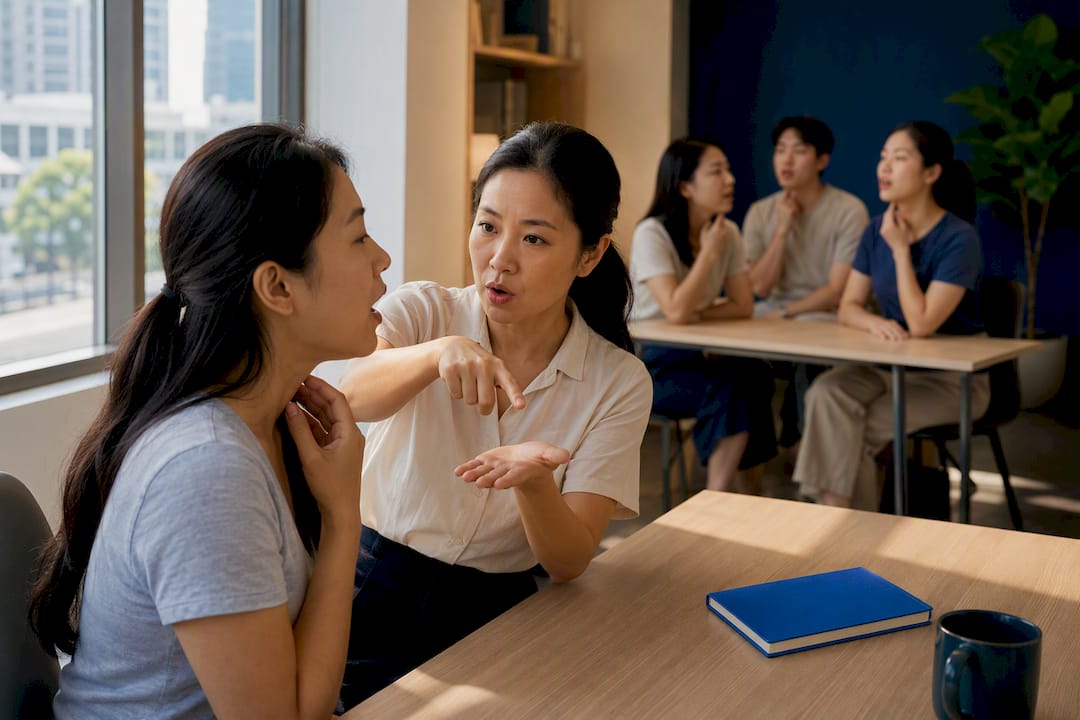
Cultural fluency is not a bonus skill you add after learning Thai. It’s woven into every sentence you speak and every interaction you navigate. The term refers to your ability to use language in ways that are socially appropriate, not just grammatically correct. In linguistics, this is called pragmatic awareness, and it covers everything from knowing when to be indirect, to understanding which level of politeness fits a situation.
What makes Thai particularly rich is that the language itself carries politeness markers. Words like khrap and kha (used by male and female speakers respectively) are not optional extras. They signal respect and attentiveness, and leaving them out can unintentionally communicate rudeness or disinterest. Beyond these markers, Thai speakers rely heavily on honorifics, face-saving strategies, and non-verbal cues like the wai greeting to manage social relationships.
Thai pragmatics research shows that politeness strategies are deeply influenced by cultural values and can be interpreted very differently across intercultural and digital settings. This is a direct challenge for learners who assume that polite intent automatically translates to polite impact.
Here’s what cultural fluency actually includes:
- Pragmatic awareness: Knowing what to say, when, and how much
- Politeness strategies: Using indirect language, softening requests, and showing deference appropriately
- Honorifics and titles: Addressing people by their correct social role or title
- Face-saving behavior: Avoiding statements that cause embarrassment or loss of dignity
- Non-verbal communication: Reading and using body language, eye contact, and silence correctly
Building Thai communication skills for travel and everyday life means practicing all of these together, not in isolation.
Pro Tip: When you encounter a new Thai phrase, don’t just learn its translation. Ask yourself when you would use it, who you would use it with, and what social message it sends. Context is the real teacher.
Integrating festivals, arts, and rituals into learning
With the foundation of what cultural fluency means, let’s explore the powerful role of authentic Thai practices in advancing language skills.
Classroom lessons teach you structure. Festivals and rituals teach you feeling. When you participate in Songkran, the Thai New Year water festival, you’re not just splashing water with strangers. You’re learning the language of celebration, hearing regional expressions, and understanding how joy is expressed communally in Thai culture. Loy Krathong, the festival of lights, carries a more reflective emotional register. Engaging with both gives you a broader emotional vocabulary.
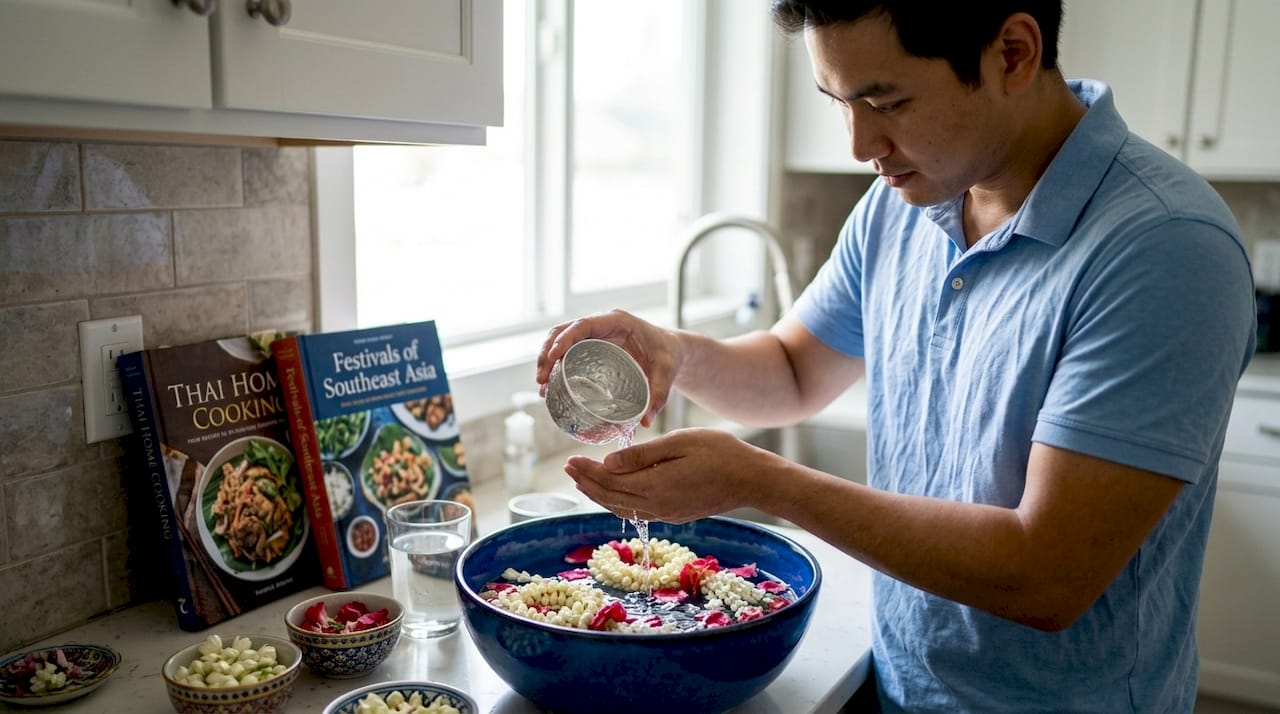
This is not just anecdotal. Integrating language learning with lived Thai community practices such as festivals, arts, and traditions is strongly recommended as a complement to formal classroom study for learners seeking deeper cultural understanding. The reason is simple: these experiences create memory anchors that textbook exercises rarely match.
Arts and crafts workshops, Thai cooking classes, and traditional dance introductions serve a similar purpose. They require you to follow spoken instructions in real time, ask questions in context, and engage socially with Thai speakers in low-pressure environments. The result is faster internalization of vocabulary and a more intuitive grasp of social norms.
Here’s how to make the most of these opportunities:
- Attend Thai community events in Singapore. The Thai Buddhist temples and cultural associations in Singapore regularly host celebrations. Show up, participate genuinely, and pay attention to how people greet each other and conduct themselves.
- Join arts or cooking workshops conducted in Thai. Even beginner-friendly sessions provide exposure to natural spoken Thai in a hands-on setting.
- Ask questions during these events. Locals appreciate curiosity, and this opens real conversations that class simulations simply can’t replicate.
- Follow up with reflection. After each experience, write down new words or phrases you encountered. Then look up the cultural context, not just the definition.
- Enroll in structured courses that embed cultural content. Immersive Thai courses that blend language and culture give you a systematic framework to connect these experiences back to your studies.
“Ritual participation is where you absorb the unspoken rules of interaction. You start to feel why certain things are said in certain ways, not just what they mean.” This is the shift from translation to instinct that every serious Thai learner is working toward.
Exploring what makes a Thai lesson truly interactive helps you understand how the best Thai learning experiences bring this cultural depth into the classroom itself. And if you’re still choosing where to study, looking at top Thai schools in Singapore can help you identify which programs prioritize cultural integration alongside language skills.
Pro Tip: Set a goal to attend at least one Thai cultural event per month in Singapore. Even a short two-hour experience provides more authentic language exposure than several hours of vocabulary drills.
Politeness norms and communication styles in Thai
Now, let’s look closer at the subtleties of politeness, one of the most challenging yet important aspects of Thai cultural communication.
Thai politeness operates on multiple levels simultaneously. Formal settings require elevated vocabulary, full use of polite particles, and deference to hierarchy. Casual settings allow more relaxed language, humor, and informal address. Digital communication, such as messaging apps and social media, has created yet another register where abbreviated forms and emoji substitute for traditional markers. Knowing which register you’re operating in is half the challenge.
The wai, the traditional greeting where you press your palms together and bow slightly, communicates respect without a single word. Its depth, duration, and timing all carry meaning. A wai that is too shallow or offered at the wrong moment can feel dismissive. One that is too elaborate in a casual setting can seem awkward or even mocking. Tone of voice adds another layer. Thai is a tonal language, so the way you say a polite phrase can reinforce or completely undermine its social intent.
Politeness strategies in transactional contexts such as written requests or refusals require you to adjust your rhetorical approach rather than simply translating English patterns into Thai. A direct refusal that sounds reasonable in English can come across as blunt or even rude in Thai, where softening language and offering alternatives is the expected norm.
Here’s how Thai politeness shifts across common scenarios:
| Scenario | Polite strategy | Common mistake | Effect if wrong |
|---|---|---|---|
| Formal business meeting | High honorifics, indirect requests | Too casual or direct | Perceived as disrespectful |
| Casual social gathering | Relaxed particles, humor | Overly stiff or formal | Seems cold or distant |
| Transactional requests (email) | Softening phrases, alternatives offered | Direct translation from English | Appears demanding or rude |
| Online/digital messaging | Brief, emotive, informal | Applying formal rules strictly | Feels awkward or stiff |
| Meeting elders or senior figures | Deep wai, elevated vocabulary | Using everyday casual language | Signals lack of respect |
Building strong Thai reading skills directly supports your ability to recognize these politeness levels in written texts, which in turn sharpens your spoken awareness. For those preparing for formal assessments, understanding culturally appropriate test strategies ensures you demonstrate not just grammar knowledge but genuine communicative competence.
Key politeness considerations to keep in mind:
- Social distance matters. How well you know someone determines which level of language is appropriate.
- The medium changes the rules. Written Thai follows different conventions from spoken Thai, and digital Thai has its own emerging norms.
- Positive politeness (showing warmth, solidarity, shared interest) is generally favored in Thai culture over blunt directness.
- Even well-intentioned politeness can miss the mark if the delivery or timing is off.
Common pitfalls and how to adapt for authentic interactions
Bringing together these cultural and communication factors, it’s crucial to look at real-world missteps and how to grow from them.
Almost every Thai learner hits the same walls at similar stages. Recognizing them early saves a lot of unnecessary frustration and social awkwardness.
The three most common mistakes:
- Literal translation from English. This is by far the most frequent issue. English communication norms are significantly more direct than Thai conventions. Translating your thoughts word-for-word often produces sentences that are grammatically Thai but culturally jarring. Phrases that soften requests in English may not carry the same softening effect in Thai, especially if the underlying sentence structure remains confrontational.
- Ignoring social distance. Treating a senior colleague the same way you’d treat a close friend, or addressing a stranger with overly casual language, signals a lack of awareness that Thai people notice immediately. Politeness norms shift with social distance, and the responsibility is on the speaker to read the situation and adjust.
- Misusing or overusing honorifics. Some learners apply formal titles in every situation, thinking it’s always safer to be more polite. In reality, this can come across as stiff, distant, or even sarcastic in casual or familiar contexts.
“Pragmatic effectiveness matters more than following a universal politeness script. The goal is communication that lands well in context, not performance of politeness for its own sake.”
How to adapt:
Start by assessing your audience before speaking. Who is this person relative to you in terms of age, status, and familiarity? What is the setting? What outcome are you trying to achieve? These three questions will guide your register choice more reliably than any fixed rule.
Use local examples as reference points. When in doubt, listen to how Thai native speakers address the same person or situation and mirror their approach. This is especially useful in social settings where you can observe before participating.
Reviewing Thai etiquette basics gives you a practical framework to work from, and seeing how interactive lesson examples build these skills in structured practice helps you apply them with more confidence.
Pro Tip: Keep a small reflection log. After any Thai conversation or cultural interaction, write down one moment that felt uncertain or awkward. Note what you said, what the response was, and what you’d do differently. Reviewing this log monthly reveals patterns you’d never catch otherwise.
Why chasing ‘perfect’ politeness isn’t the goal in Thai
Here’s something that gets overlooked in most Thai language resources: there is no single correct version of polite in Thai. Not in real life, anyway.
Classroom lessons often present politeness as a rulebook. Use these particles in this situation, bow at this angle, avoid these phrases. That framework is useful for building a foundation. But it can also trap learners in a performance mindset, where every interaction becomes a test they’re trying not to fail.
Research on levels of politeness in Thai shows something more nuanced. Even when politeness is clearly present, different audiences perceive different levels depending on the genre, the relationship, and their own interpretation frameworks. Two native Thai speakers can evaluate the same sentence and disagree on whether it was appropriately polite. Learners should expect mixed feedback and build toward pragmatic flexibility rather than a mythical perfect politeness score.
At Thai Explorer, we’ve watched students tie themselves in knots trying to sound perfectly polite in every sentence. The irony is that this anxiety often produces speech that sounds unnatural and stiff to native speakers. Real interactive lesson insights focus on building adaptable communicators who can read a room, adjust their style, and recover naturally when something doesn’t land as intended.
The most fluent Thai learners we’ve seen are not the ones who memorized the most rules. They’re the ones who stayed curious, paid attention to feedback, and kept adjusting. Cultural fluency is a practice, not a destination.
Boost your Thai with culture-smart courses in Singapore
Ready to bridge culture and language in your Thai journey? Here’s where to start.
At Thai Explorer, located right above Tanjong Pagar MRT, we design every lesson around this principle: language skills and cultural understanding grow together, not separately. Our qualified native Thai instructors, who are bilingual in Thai and English, bring real cultural context into every class.
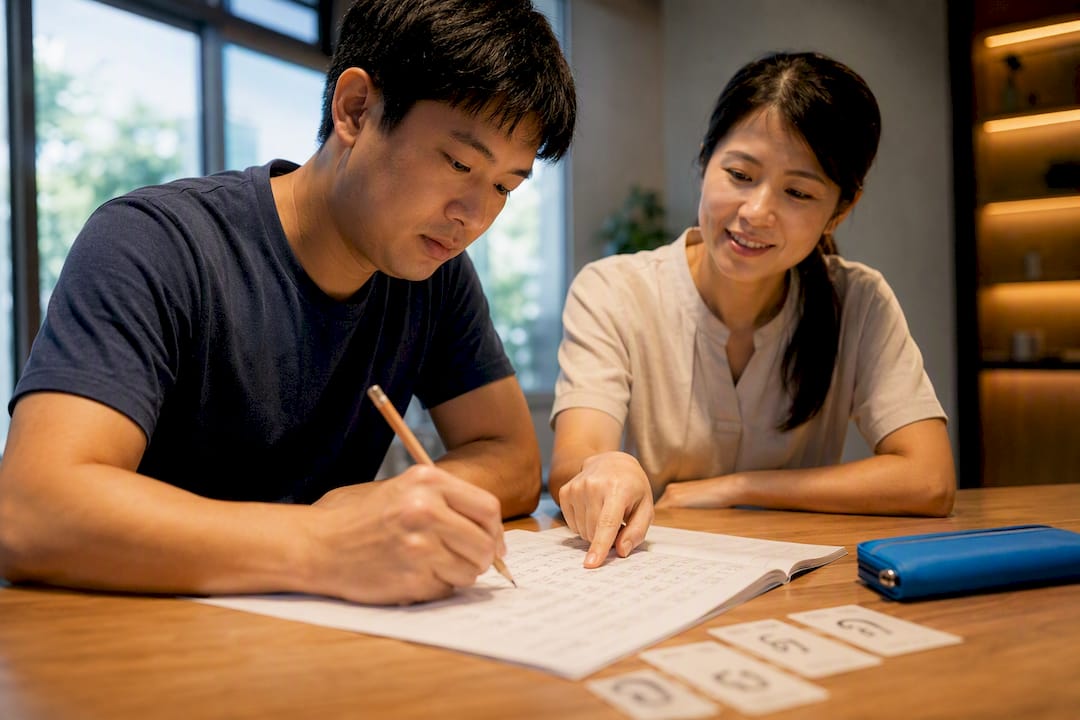
Whether you’re a complete beginner or refining your conversational skills, our Thai language courses cover speaking, listening, reading, and writing within a culturally grounded framework aligned with CU-TFL standards. For learners who want to go deeper, our Thai culture and etiquette guide is a great starting point to complement your classroom progress. Group, private, and online options are available to fit your schedule and learning style.
Frequently asked questions
How important is it to participate in Thai festivals for language fluency?
Participation in festivals accelerates real-world communication skills and cultural awareness by providing authentic context that textbooks can’t replicate. Research recommends integrating community practices like festivals and traditions alongside classroom study for deeper cultural understanding.
Can I use the same politeness rules in all Thai settings?
No, politeness in Thai varies significantly by audience, context, and communication medium. Politeness norms shift with social distance and addressee background, so learners must adjust their approach rather than applying a single formula universally.
What is the biggest cultural mistake Singaporean learners make in Thai?
The most common mistake is directly translating English phrases into Thai while ignoring social distance norms. This often produces sentences that are grammatically correct but culturally misaligned, especially in written requests or refusals where softening and indirectness are expected.
Is it possible to be ‘too polite’ in Thai?
Yes. Excessive or misplaced politeness can feel unnatural or even awkward to native speakers. Research on levels of politeness in Thai shows that audiences perceive politeness differently depending on context, so overly formal language in a casual setting can feel off rather than respectful.
How can I practice Thai culture in Singapore?
Join community Thai events, cultural workshops, and language exchange groups for hands-on immersion. Enrolling in structured courses that weave cultural content into lessons is the most consistent and effective way to build both language and cultural fluency here in Singapore.